
Precast OSD
Modular System
Pro-Cast's product
Product Overview
MEGATRAP Precast OSD Modular System for Stormwater Detention
An on-site detention (OSD) system stores stormwater runoff on a development site and releases it slowly, so the peak flow into public drains does not increase after the site is built. Pro-Cast’s MEGATRAP OSD Modular System is an underground tank made from high-strength precast concrete modules, each 2.4 m × 4.0 m, placed side by side to form a larger tank under car parks, access roads or landscaped areas.
In Malaysia, OSD design follows the Urban Stormwater Management Manual for Malaysia (MSMA) published by the Department of Irrigation and Drainage (JPS). Our modules can be arranged to match the storage volume your engineer calculates under MSMA.
Key Fact
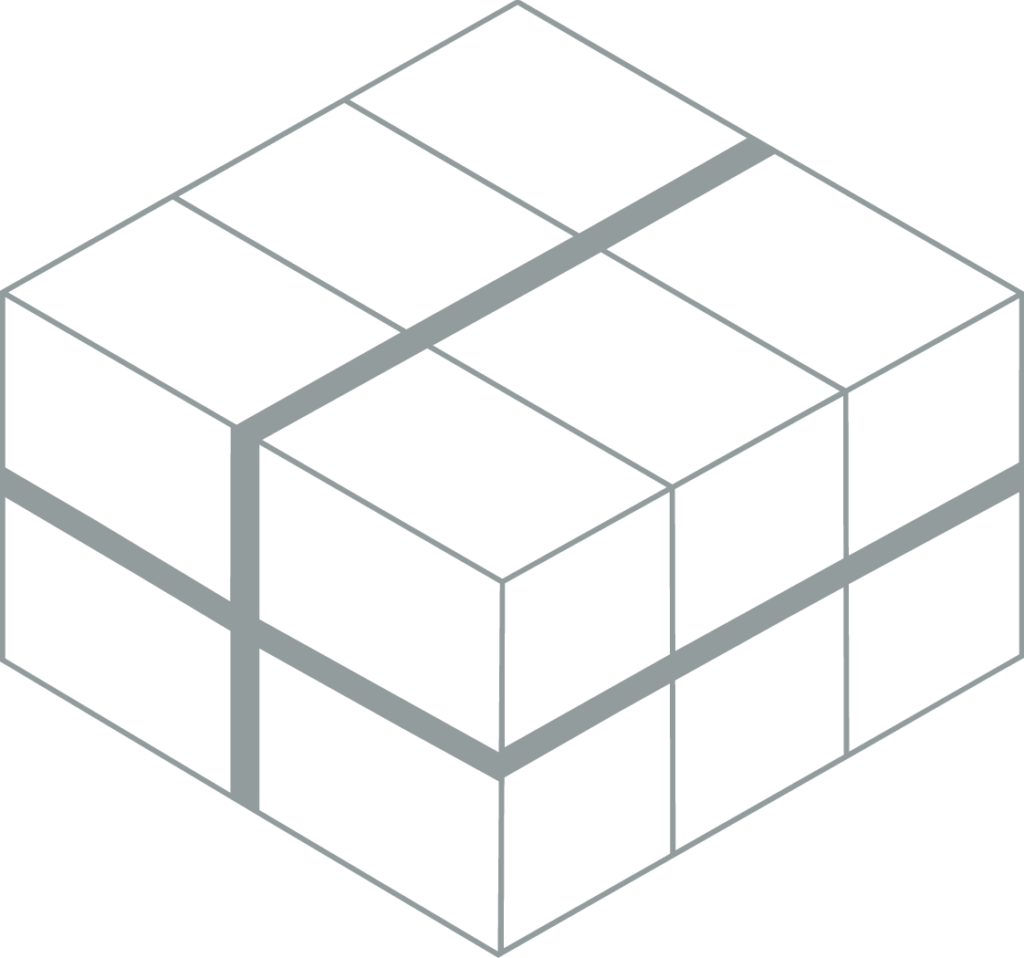
System
MEGATRAP precast reinforced concrete modules, assembled underground
Module footprint
2400 × 4000 mm
Module heights
1.5, 2, 2.5, 3, 3.5 and 4 m; single or double (stacked) modules
Uses
detention tank, retention tank, or combined detention and retention
Loading
designed to carry vehicle traffic above the tank
Design basis
MSMA
How a Precast
OSD System Works
01. Collect
Runoff from roofs, roads and paved areas flows through drains into the OSD tank.
02. Store
The precast modules hold the water during heavy rain, when public drains are under the most pressure.
03. Release
A controlled outlet lets water leave the tank slowly, keeping discharge within the allowed limit.
MEGATRAP Module
Specifications
| Dimension | Value |
|---|---|
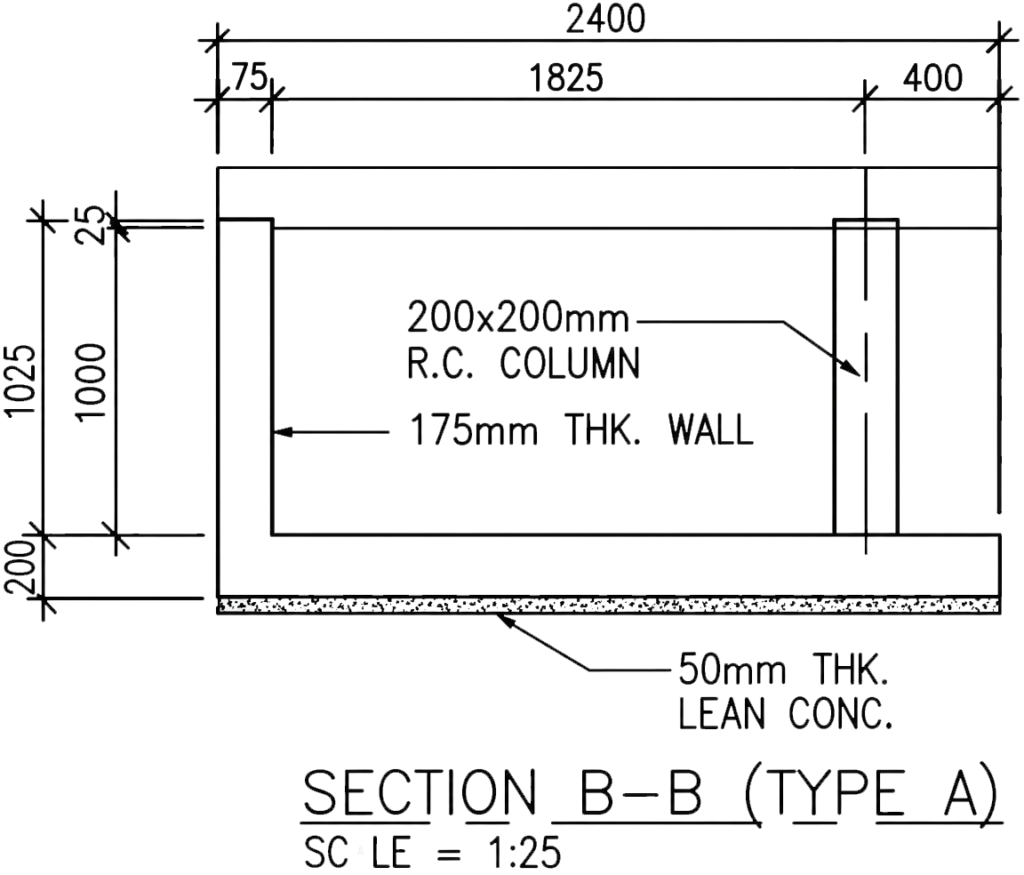
| Module width | 2400 mm |
| Module length | 4000 mm |
| Wall opening width (w1) | 450 mm |
| Slab thickness (t1) | 150 mm |
| Module heights | 1.5, 2, 2.5, 3, 3.5, 4 m |
| Internal columns | 200 × 200 mm RC columns |
| Walls | 175 mm thick |
| Module types | A to E (corner, edge and internal modules, combined in a grid) |
| Joints | Joint wrap between modules |
| Tank capacity | Designed per project, typically 100–3,000 m³ |
Modules combine like building blocks into a layout that fits the available space, and customised designs are available for specific projects.
Applications
Where Precast OSD Systems Are Used
01. Detention tanks
Hold runoff and release it slowly to meet the allowed discharge.
02. Retention tanks
Store water on sitefor reuse.
03. Combined detention and retention tanks
Both functions in one system.
Typical sites: housing developments, commercial and industrial sites, data centres and institutional buildings, especially where land is limited and the tank must sit under parking or roads.
Why Choose the MEGATRAP OSD Modular System
- Saves land.
The tank sits underground, beneath parking areas, access roads or landscaping, so the surface stays usable. - Fits tight sites.
Modules combine in flexible layouts to fit the space available. - Carries vehicle traffic.
Designed for traffic loading above the tank. - Quick installation.
Factory-made modules are placed and joined on site, with no formwork or curing for the tank walls. - Easy maintenance access.
Designed for long-term inspection and cleaning. - Flexible depth.
Six module heights from 1.5 m to 4 m, single or double, to suit site area and depth.
Precast OSD vs
Cast-in-Situ OSD Tank
Precast OSD saves site time because the tank is made in a factory; a cast-in-situ tank is built entirely on site.
| Precast OSD modular system | Cast-in-situ OSD tank | |
|---|---|---|
| Construction | Modules made in factory, assembled on site | Formwork, rebar and concrete poured on site |
| Site time | Shorter: no curing time for tank walls on site | Longer: each pour needs time to cure |
| Quality control | Factory-controlled | Depends on site conditions and workmanship |
| Weather impact | Lower | Rain can delay concreting |
| Capacity changes | Add or remove modules | Redesign and rebuild |
Precast OSD FAQ
What is an OSD system?
An on-site detention (OSD) system is a storage facility, usually an underground tank, that holds stormwater runoff from a development and releases it slowly through a controlled outlet. It stops new developments from increasing the peak flow into public drains, which helps reduce flash flooding downstream.
Is OSD required in Malaysia?
Many new developments in Malaysia must provide stormwater control designed to the Urban Stormwater Management Manual for Malaysia (MSMA), and OSD is a common way to meet it. The exact requirement depends on the local authority and the development, so check with your engineer and the approving authority.
How is the size of an OSD tank decided?
The required storage volume is calculated by the project’s engineer using MSMA methods, based on site area, rainfall data and the allowed discharge. Pro-Cast then configures the number and layout of MEGATRAP modules to provide that volume.
Why choose precast OSD over a cast-in-situ tank?
Precast OSD modules are made in a factory and assembled on site, so installation is faster, less affected by rain, and more consistent in quality. A cast-in-situ tank needs formwork, rebar fixing and curing on site, which takes longer and depends more on site workmanship.
Can the area above an OSD tank be used?
Yes. The MEGATRAP OSD Modular System is designed to carry vehicle traffic loading, so the area above can be used for car parks, access roads or landscaping.
What sizes does the MEGATRAP OSD system come in?
Each MEGATRAP module has a 2400 × 4000 mm footprint and comes in heights of 1.5, 2, 2.5, 3, 3.5 and 4 m. Modules can be used singly or stacked as double modules, and placed side by side in a grid to reach the storage volume the project needs. Tank capacity is designed for each project, typically 100 to 3,000 m³.
Plan Your OSD
With Pro-Cast
Send us your required storage volume and site layout, and we will propose a module configuration and quotation.